Gethsemane: among the olives
Not what I want, but what you want.
May I speak in the name of God, Father, Son and Holy Spirit.
I have been in a garden at night as part of a liturgy only once. It was at Farnborough Abbey in Hampshire, on Maundy Thursday. After the Mass, the procession to the Altar of Repose passes not through interior corridors of the Abbey, which would have been one option, but out into the abbey gardens. You step out of the church into the dark, following the Blessed Sacrament, and the garden does something to you that stone walls and candlelight alone cannot. Something about it - the night air, the grass underfoot, the tree branches blowing darkly in the wind — makes the journey feel less like a liturgical transition and more like a passage into something older and more serious. I have never forgotten it. Gardens, in the Christian story, are not incidental. They are where the deepest things happen.
The given theme of tonight is obedience. The word “obedience” is a more interesting word than it may first appear. We tend to hear it and think immediately of compliance — of biting your lip and doing what you are told. But the Latin word, obedientia, carries a different suggestion. It comes from ob-audire: literally, to listen toward. To turn your ear in the direction of another. What we are describing, when we speak of obedience in its biblical sense, is not an act of the will so much as an act of attention. You cannot truly obey someone you have not truly heard.
This is not a unique insight of the Romans. The great Hebrew word at the heart of Israel's faith — the “shema” of Deuteronomy, Shema Israel - Hear, O Israel — means both hear and obey. To hear God and to obey God were, in the biblical imagination, not two things but one. Disobedience was, at root, a failure of listening: the turning of the ear away from one voice and toward another. It is worth holding that thought as we enter this garden.
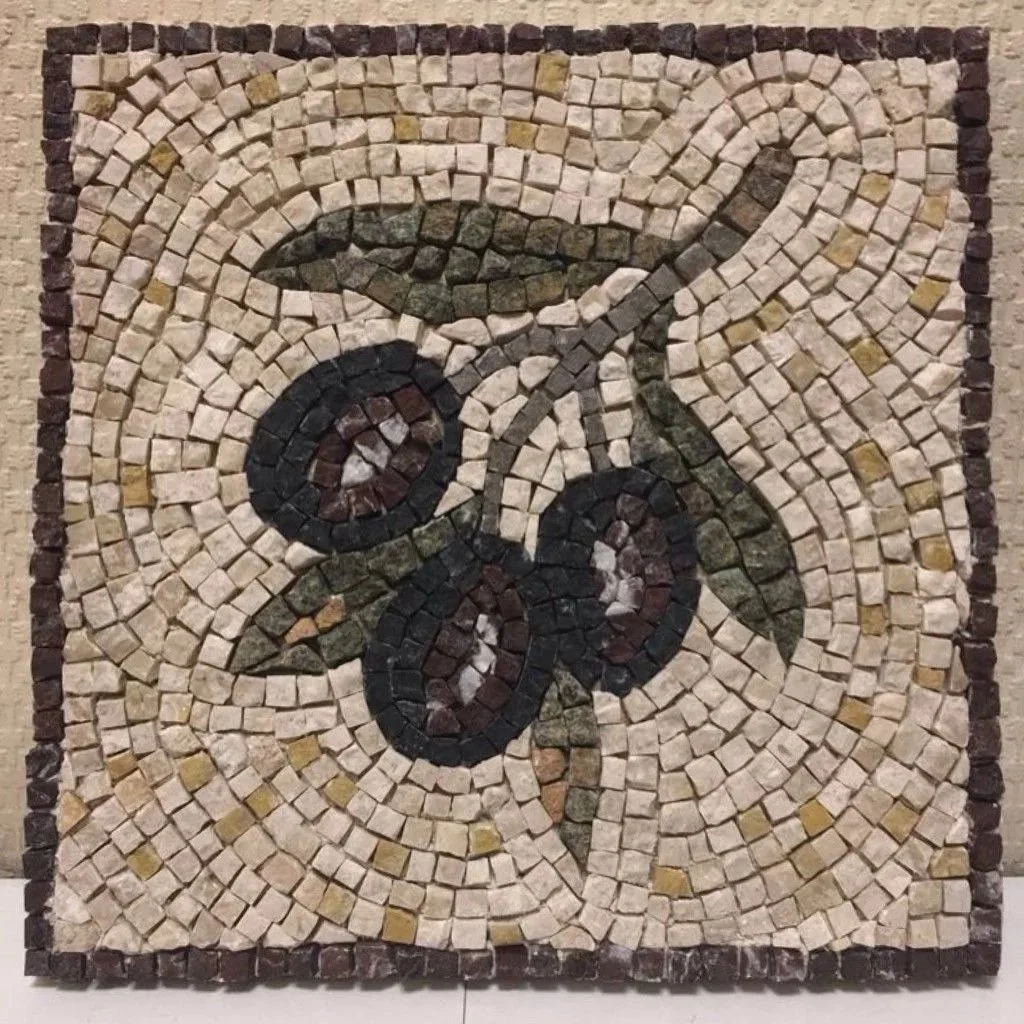
Gethsemane is an olive grove. It was a garden Jesus returned to more than once — John’s Gospel tells us he went regularly. It is easy to think of it as simply a quiet shaded hillside, suitable for prayer. And so it is, but it is more. The olive tree carried the whole symbolic weight of Israel's story with it. It was one of the seven gifts of the Promised Land, a sign of God's blessing and abundance. But its significance ran deeper. Olive oil, by direct instruction from the book of Deuteronomy, lit the great menorah of the Temple — that central symbol of God's presence burning in the darkness. It was the oil of anointing, what Psalm 45 calls the oil of gladness, poured on kings and priests to constitute them as such and commission them for service. And the very word Messiah, the Anointed One, takes its meaning from this oil.
Gethsemane’s name is not just about olives. Gat shemanin in Hebrew means not olive, but olive press. This was, then, a working place. A place where olives were brought and subjected to enormous, sustained pressure in stone presses so that their oil could be released. Yet the oil did not give itself willingly. This is the thing the Evangelists do not want us to miss. The olive had to be crushed. It had to be pressed — subjected to weight, broken open — before it could serve as light or anointing or gladness for others. The fruit had to be given up, sacrificed, you might say, so that its gift could flow. And the finest oil, the purest oil, always came from the deepest pressing.
Is this ringing any bells? Jesus himself had spoken of exactly this logic, though in a different image. “Unless a grain of wheat falls into the earth and dies, it remains alone; but if it dies, it bears much fruit” (John 12). The same pattern: something must be surrendered, given over, before it can become a gift for others.
So Jesus, the night before his Passion, is in a garden named after the pressing of olives. In Jesus’ distress at what he knows is to come for him, St Luke tells us that drops of blood fall from his body to the ground, like great drops of sweat. The imagery is almost unbearably precise. In the place of the olive press, the Anointed One is himself pressed. And yet, from that pressing flows the gift that will serve as light in darkness, as anointing, as gladness — not for one nation, but for the world.
But back to the garden itself. We cannot stand in Gethsemane without the shadow of another garden falling across it, one of which the evangelists were keenly aware. The Garden of Eden. According to the logic of the Genesis narrative, in Eden, humanity was given everything including relationship with God, and reached instead to separate and make itself supreme. My will. My knowledge. My way. And the rupture that followed was not, at its root, a legal one — it was a rupture of listening. The human creature turned its ear from God toward another voice, the serpent’s, and the whole creation groaned under that turning.
In this second garden, the second Adam faces the same question. But he keeps listening. Three times he returns to prayer. Three times he receives back the same silence that asks everything of him. And out of that agonised attentiveness — out of ob-audire pressed to its absolute limit — comes the sentence on which all of salvation history turns:
Not what I will, but what thou wilt.
Or, rendered in more contemporary tone:
Not what I want, but what you want.
Where the first garden gave us the human will grasping for itself, this garden gives us the human will of Jesus releasing everything into the Father's hands. Where Adam hid from the voice of God among the trees, Jesus kneels faithfully among the olive trees and presses his ear toward it in the dark.
The sleeping disciples are a stark contrast. Three times Jesus returns from prayer to find them unable to keep watch — not because they are defiant, nor rebellious, just absent. They have stopped listening. And that, in the end, is how the drift away from God almost always works: not with a dramatic refusal, but with the slow filling of the silence with something else. The ear turns, almost imperceptibly, away.
Jesus, by contrast, is the image of obedience, not in the sense of compliance or following commands – which is not what is happening – the evangelists are clear, Jesus goes willinglygoes to the cross – but obedience as ob-audire, as intense, productive, listening to God, listening with the logic of the olive tree, the logic of salvation.
That is the word this garden speaks to us. Not: so much obey, or comply, in the earthly sense of power and control: for that is not God’s way. Rather, return to the posture of listening. Come aside. Quieten the noise. Turn your ear toward the Father, as Jesus did in this garden, again and again, until even the night of his arrest could not close it. Let the prayer he prayed become, slowly and imperfectly, our own — not as resignation, but as the most awake and attentive and alive and giving thing a human can ever say:
Not what I want, but what you want.